
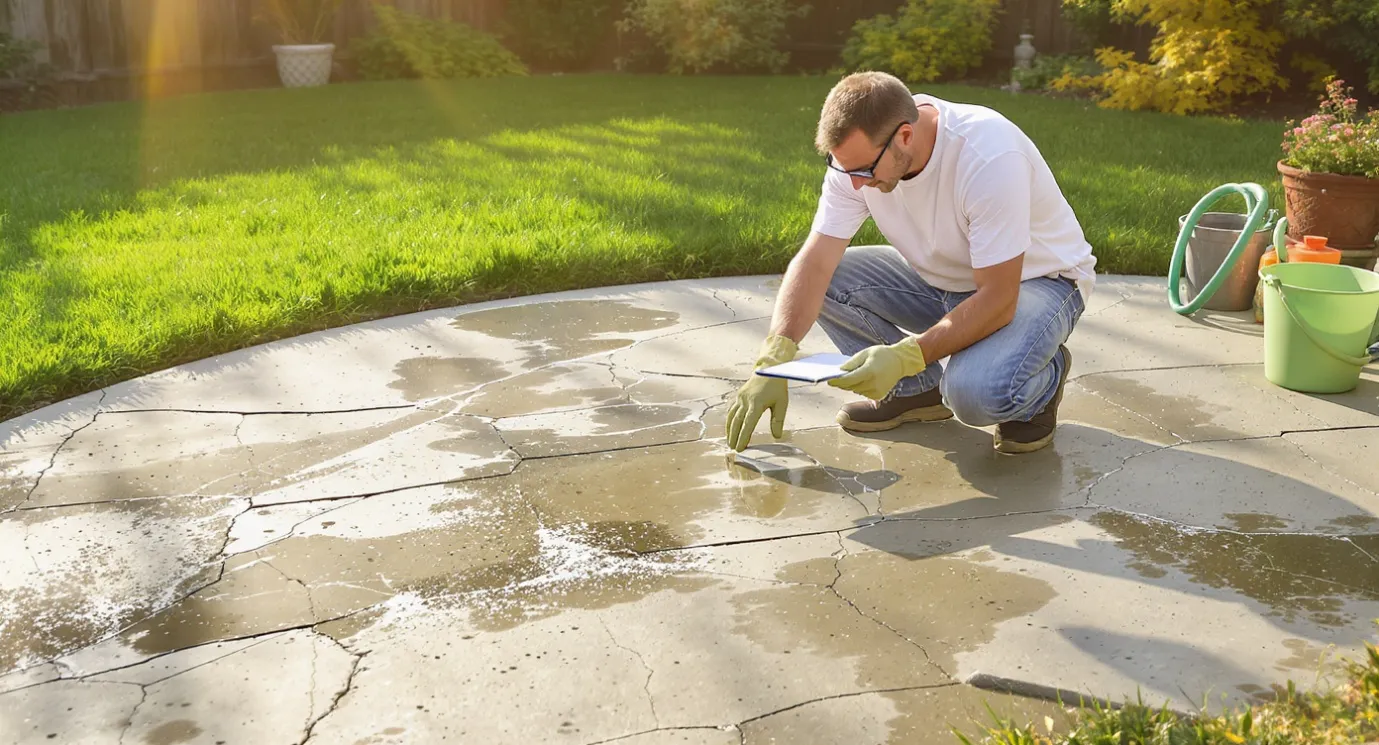
Outdoor concrete surfaces face constant exposure to changing weather, vehicle traffic and everyday wear. Driveways, patios and pathways may initially appear durable, yet small cracks and damaged edges can gradually develop into more noticeable problems. Arranging professional concrete repairs can help property owners address suitable defects before deterioration becomes more extensive. In Brisbane and the Redlands, where outdoor areas experience regular rainfall and strong sunlight, understanding concrete damage is particularly useful. Early assessment supports sensible maintenance decisions and helps preserve existing surfaces.
Understanding Why Outdoor Concrete Deteriorates
Concrete deterioration rarely develops from one cause alone. Substrate movement, inadequate drainage, repeated loading and environmental exposure can contribute to cracking or surface damage. Water entering existing cracks may gradually affect underlying materials, while vegetation can expand openings along neglected edges. Some defects are mainly cosmetic, but others indicate movement or structural concerns requiring further investigation. Property owners should observe whether damage remains stable or continues to change. Identifying likely causes helps determine whether a localised repair is appropriate or whether additional corrective work is necessary.
Recognising Problems That Require Professional Attention
Not every surface mark indicates serious deterioration, but certain defects deserve closer examination. Widening cracks, uneven sections, loose concrete and recurring potholes can affect both appearance and safe access. Damaged expansion joints may also permit debris and moisture to accumulate. Uneven edges can create trip hazards around frequently used pathways. A professional assessment considers the location, extent and likely cause of each defect before recommending treatment. This approach helps prevent property owners from relying on temporary cosmetic solutions where more substantial intervention is needed.
Selecting Repair Methods for Different Defects
Concrete restoration requires methods suited to the particular type of damage. Stable cracks may be treated with appropriate filling or injection materials, while damaged joints require products capable of accommodating expected movement. Spalled sections and potholes may need removal of unsound material before compatible repair compounds are installed. Structural cracking should be assessed by a suitably qualified professional before treatment. The depth of damage, substrate condition and intended surface use influence material selection. Correctly matched repairs help restore functionality without unnecessarily replacing otherwise serviceable concrete.
Assessing Driveways Before Changing Their Appearance
A worn driveway may need more than surface cleaning when existing coatings are peeling, or decorative overlays have deteriorated. Homeowners considering driveway resurfacing should first establish whether old finishes require mechanical removal. Grinding can expose the underlying concrete and reveal cracks, contamination or weak areas that were previously hidden. The newly exposed slab can then be assessed for suitable finishing options. This sequence is important because applying fresh materials over poorly bonded coatings may result in premature failure and disappointing results.
Considering Drainage and Everyday Vehicle Traffic
Driveways must accommodate vehicle movement while directing rainwater away from vulnerable areas. Surface depressions can encourage pooling, while poorly maintained joints may contribute to further deterioration. Repairs should therefore consider drainage patterns alongside the visible condition of the concrete. Vehicle weight, turning movements and frequently used parking positions can also influence wear. Property owners should avoid assuming that decorative treatments will correct underlying drainage problems. Addressing practical concerns before finishing work helps create an outdoor surface that remains functional throughout changing weather conditions.
Balancing Restoration Costs Against Full Replacement
Removing and replacing an entire concrete area may be unnecessary when damage is localised, and the remaining slab is sound. Repair costs depend on accessibility, defect severity, preparation requirements and the materials selected. Extensive settlement, widespread structural failure or serious drainage problems may make replacement more appropriate. Comparing professional recommendations helps property owners understand these differences. The lowest initial price should not determine the decision without considering expected performance. A suitable restoration strategy can preserve existing materials while reducing unnecessary demolition and disruption.
Maintaining Outdoor Concrete After Restoration
Repaired concrete still requires sensible maintenance to preserve its condition. Regular cleaning helps remove dirt, organic growth and contaminants that can affect appearance or create slippery surfaces. Property owners should monitor joints, drainage outlets and previously repaired areas for recurring problems. Cleaning methods must remain compatible with any applied protective finish. Heavy loading should also be avoided until repair materials have reached their specified strength. Routine inspections make it easier to identify new defects early and maintain the usability of driveways, patios and pathways.
Conclusion
Outdoor concrete restoration should begin with understanding the condition of the slab rather than selecting a decorative finish immediately. Suitable repair methods, effective drainage and careful surface preparation all contribute to dependable results. Property owners throughout Brisbane and surrounding areas can explore concrete restoration and coating removal services through epoxyflooringredlands.com.au. Requesting an assessment before undertaking major improvements can clarify which sections need attention and which materials remain serviceable. This informed approach supports practical maintenance decisions while helping outdoor areas retain their appearance and functionality.