
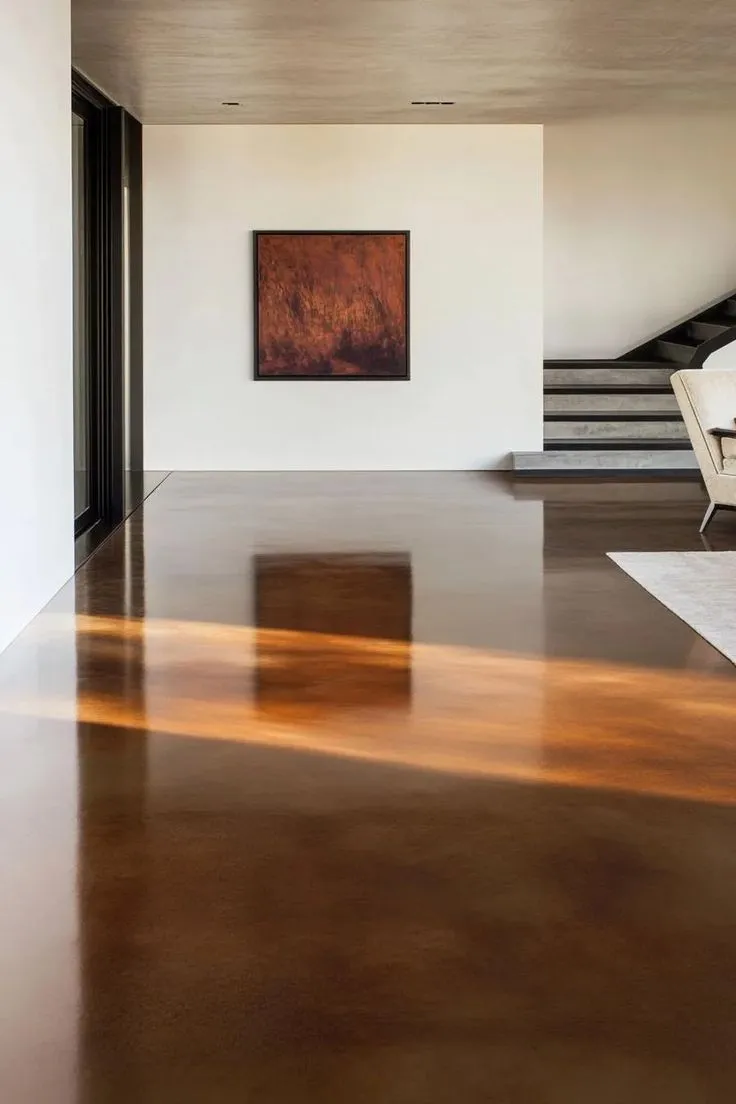
Many property renovations involve covering existing surfaces with new materials. However, an older concrete slab may offer more design potential than its unfinished appearance suggests. Subtle aggregate patterns, natural color variations, and a solid foundation can make concrete an appealing finished surface. Choosing polished concrete allows suitable slabs to become attractive flooring without installing traditional coverings. Decorative finishing techniques can also introduce color and visual character. Understanding these options helps property owners make better use of concrete already present in their homes or buildings.
Discovering the Character Beneath Concrete
Concrete may initially appear plain, but its composition varies considerably between properties. Different aggregates, cement mixtures, and finishing methods influence how the material looks after mechanical refinement. Grinding can expose small stones within the slab, creating natural patterns that were previously hidden beneath the surface. Some property owners prefer minimal aggregate exposure, while others appreciate a more noticeable stone appearance.
The existing concrete determines which visual results are achievable. Unlike manufactured tiles, its natural variations cannot be reproduced exactly from one installation to another. An initial assessment helps establish realistic design expectations.
Understanding the Polishing Process
Professional polishing involves progressively refining a concrete surface using specialized grinding equipment and diamond abrasives. The process typically begins with removing surface contaminants and addressing appropriate cracks or imperfections. Contractors then use progressively finer abrasives to develop the desired smoothness and sheen.
Concrete densifiers may be applied to improve surface hardness and reduce dusting. Depending on the system, a compatible stain guard can provide additional protection against certain spills. Polishing is different from applying a glossy resin coating. The final surface primarily reflects the characteristics of the refined concrete itself.
Evaluating Different Finish Options
Property owners can choose among several visual approaches, depending on the slab’s condition and intended use.
Before selecting a finish, consider these factors:
- Aggregate exposure: Decide whether a subtle or more pronounced stone pattern is preferred.
- Gloss level: Compare matte, satin, and highly reflective appearances.
- Room lighting: Consider how natural and artificial light will interact with the surface.
- Traffic conditions: Match the finish to expected pedestrian and equipment movement.
- Existing imperfections: Understand which cracks or marks may remain visible after polishing.
These considerations can help establish a suitable balance between appearance and everyday performance.
Introducing Color Without Conventional Flooring
Decorative concrete staining offers another way to change the appearance of suitable concrete surfaces. Stains can introduce earthy tones, subtle variations, or distinctive effects that complement a property’s architecture. Depending on the product, color develops through a chemical reaction or through pigments penetrating the concrete.
Results depend on the slab’s porosity, condition, preparation, and previous treatments. An experienced contractor can explain which products are suitable for a particular surface. Stained concrete may require a compatible protective sealer, while polished concrete uses a different mechanical finishing process. These treatments should not be assumed interchangeable.
Matching Finishes to Interior Design
A polished floor can complement industrial, minimalist, and contemporary design styles. Exposed aggregates create texture and visual interest without requiring elaborate surface patterns. In residential interiors, natural concrete tones can work alongside wood furniture, neutral walls, and metal fixtures. Commercial environments may benefit from understated finishes that complement merchandise or architectural features.
Stained surfaces offer additional design flexibility where property owners prefer warmer colors or a more decorative appearance. The chosen treatment should support the room’s intended atmosphere while remaining practical for everyday activities and maintenance.
Considering Utah’s Seasonal Conditions
Utah properties experience seasonal changes that can influence floor maintenance and the movement of moisture into interior spaces. During winter, footwear may carry grit, moisture, and deicing residues indoors. Regular entrance cleaning and suitable floor mats help reduce abrasion and contamination.
Concrete should also be assessed for moisture problems before decorative treatments are applied. Existing dampness or vapor transmission may affect the suitability of certain products. Seasonal conditions do not automatically make polished or stained concrete unsuitable. They simply reinforce the importance of selecting appropriate materials and maintaining the finished surface correctly.
Protecting the Finish With Routine Care
Polished concrete generally requires straightforward maintenance, but regular cleaning remains essential. Dry dust mopping helps remove abrasive particles, while appropriate wet cleaning products can address ordinary dirt and spills. Harsh chemicals should be avoided unless approved for the installed finish.
Stained and sealed concrete may have different maintenance requirements, including periodic evaluation of its protective sealer. High-traffic areas should be inspected for visible wear. Professional maintenance can help restore certain finishes when normal cleaning no longer produces the desired appearance.
Conclusion
Existing concrete can provide an attractive foundation for thoughtful interior improvements. Mechanical polishing reveals the slab’s natural characteristics, while decorative staining introduces additional color possibilities. Selecting the appropriate treatment requires attention to concrete condition, design preferences, traffic, and long-term care. Property owners in Utah can explore professional concrete finishing services through hardrockconcretecoatings.com to understand which decorative approach best suits their property and renovation plans.