
Designing an outdoor deck in Round Rock, Texas, involves more than selecting a pleasing layout or picking out patio furniture. The distinct climate of Central Texas, characterized by intense summer heat, sporadic heavy rainfall, and mild winters, demands thoughtful planning when expanding exterior living spaces. Property owners in this region increasingly view their backyards as functional extensions of their indoor floor plans, seeking outdoor living solutions that offer shade, durability, and seamless spatial transitions. Whether updating an existing structure or planning a complete backyard transformation, exploring tailored design concepts allows homeowners to maximize usable outdoor space, enhance property value, and create a comfortable environment for year-round entertaining.
Adapting Deck Designs for Central Texas Weather
Building a lasting outdoor platform in Round Rock requires careful adaptation to regional environmental conditions. Standard residential construction techniques often fall short if they fail to account for severe sunlight exposure, high ambient temperatures, and sudden moisture changes.
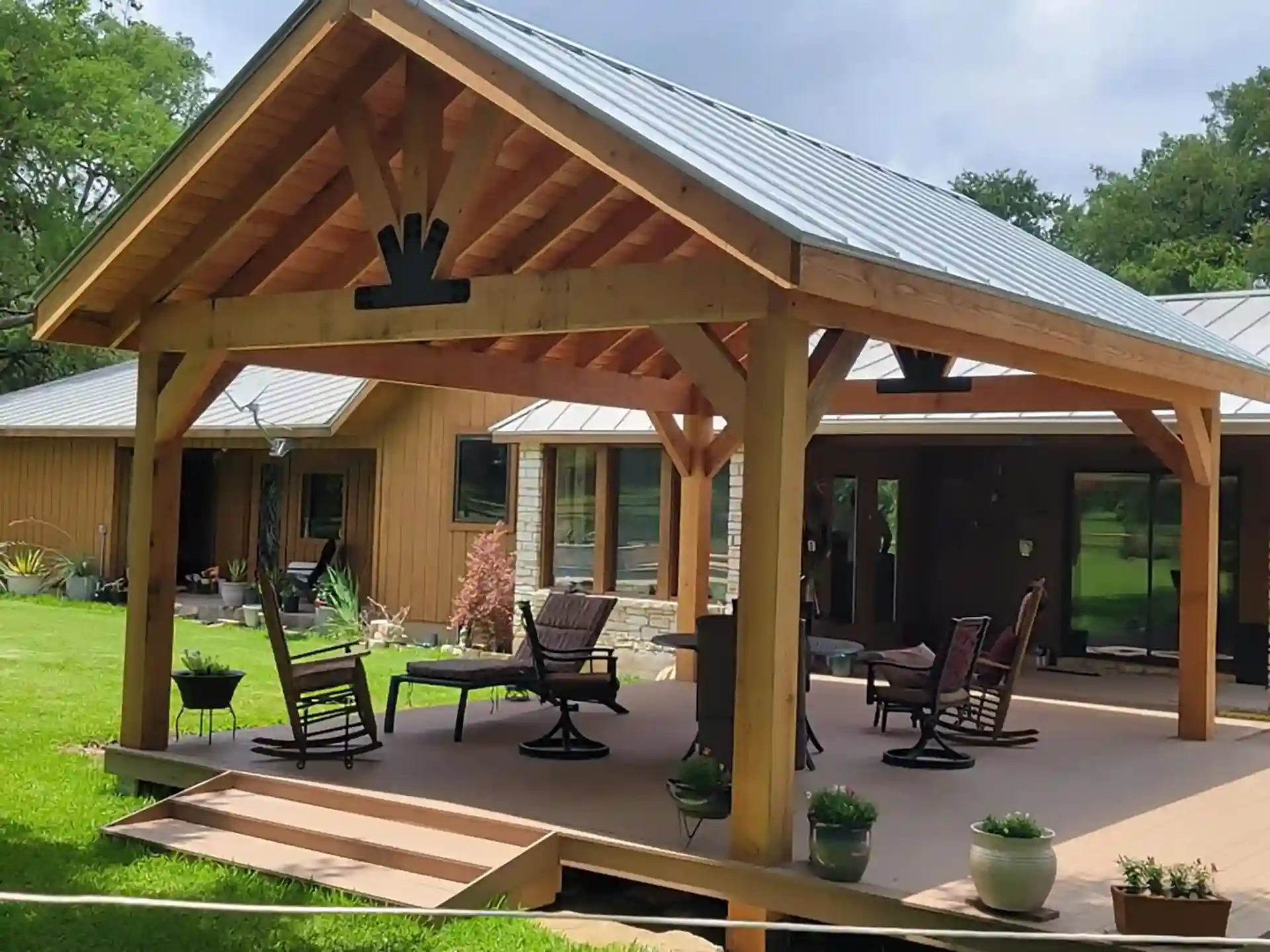
Shade integration is the most crucial consideration for any outdoor structure in Williamson County. Unshaded decks can become uncomfortably hot during peak summer months, severely limiting their usability. Incorporating covered pergolas, pavilion roofs, or motorized louver systems provides essential relief from direct sunlight while shielding outdoor seating areas from sudden rain showers.
Additionally, proper material selection ensures that deck surfaces withstand heat absorption and UV breakdown over time. Modern composite building materials and capped polymer boards have gained popularity due to their superior heat reflection, color retention, and resistance to thermal expansion.
|
Design Element |
Primary Functional Benefit |
Ideal Material Choices |
|
Covered Pergolas |
Overhead shade and UV protection |
Powder-coated aluminum, Western Red Cedar |
|
Multi-Level Layouts |
Delineates distinct entertaining and dining zones |
Pressure-treated pine framing, composite decking |
|
Integrated Bench Seating |
Maximizes floor space along deck perimeters |
Capped composite planks, matching wood framing |
|
Recessed Step Lighting |
Enhances nighttime safety and visual ambiance |
Low-voltage LED fixtures, solar cap lights |
Multi-Level Layouts for Sloped Yards
Many residential properties in Round Rock feature terrain variations, ranging from gentle slopes to steep backyard gradients. A single flat patio often requires extensive soil grading or retaining walls on these lots, whereas a multi-level deck design adapts naturally to the existing topography.
Multi-level decks create distinct outdoor rooms without physical walls. The upper level, located adjacent to the home’s back entrance, functions ideal as a main dining hub or grilling station. Stepping down to a secondary lower tier creates a dedicated zone for a fire table, hot tub, or open-air lounge space.
-
Transition Steps: Wide, gradual staircases connecting tiers serve double duty as casual seating spaces during larger social gatherings.
-
Retaining Wall Integration: Lower deck platforms can be framed directly alongside stone retaining walls, creating a built-in architectural look that blends with natural limestone rock features common in the region.
3. Under-Deck Storage: Elevated upper levels offer valuable covered storage space underneath for lawn equipment, seasonal cushions, or outdoor toys.
Blending Hardscaping with Custom Decking Features
A comprehensive backyard design rarely relies on wood or composite materials alone. Combining timber decking with natural stone, masonry, and surrounding greenery establishes a rich, textured landscape design.
Austin stone and Texas limestone are regional staples that pair effortlessly with natural wood grains and modern neutral decking shades. Constructing a limestone outdoor kitchen island or a stone fire pit directly adjacent to a composite deck structure establishes a clear visual link between the home, the deck platform, and the surrounding lawn.
Incorporating built-in planters along deck edges introduces soft foliage to balance structural lines. Native, drought-tolerant plants such as Salvia, Black-Eyed Susans, and Red Yucca thrive alongside deck borders, requiring minimal irrigation while adding vibrant natural color to the outdoor living area.
Material Selection: Natural Wood vs. High-Performance Composites
Choosing the right decking material dictates long-term maintenance requirements, surface temperatures, and total lifecycle costs for a Round Rock backyard project.
Natural woods like Western Red Cedar and pressure-treated pine offer traditional warmth, natural grain beauty, and custom staining options. Cedar contains natural oils that provide inherent resistance to decay and insect damage. However, natural timber structures demand consistent maintenance, including sanding, washing, and re-applying protective stains or sealants every two to three years to prevent moisture absorption and sun cracking.
High-performance composite and PVC decking materials offer an attractive, low-maintenance alternative. Engineered capped composites resist splintering, rotting, and fading under continuous UV exposure without requiring annual staining. When building custom outdoor spaces in the local area, working with experienced Round Rock deck builders ensures that structural framing meets municipal building codes, post footings reach stable soil depths, and material warranties remain fully protected through professional installation.
Functional Add-ons for Year-Round Outdoor Living
To make an outdoor deck fully functional across every season, homeowners frequently integrate specialized built-in features that enhance convenience and comfort.
Integrated Lighting Systems
Proper illumination extends the usability of outdoor spaces long into the evening while providing essential safety benefits. Recessed LED riser lights installed on stair steps prevent tripping hazards, while post-cap lights throw a soft perimeter glow along guardrails. Under-rail strip lighting illuminates deck boards subtly without producing harsh glare.
Built-in Seating and Privacy Screens
Custom bench seating constructed from matching deck materials optimizes usable square footage by eliminating the need for bulky freestanding patio furniture. Placing perimeter benches along guardrails creates ample seating for guests while keeping central floor areas clear for movement.
Privacy screens built from horizontal wood slats or laser-cut metal panels offer protection from neighboring views and prevailing winds. Adding climbing vines like Crossvine or Star Jasmine to vertical trellis screens introduces natural privacy and scent to the outdoor lounge area.
Outdoor Heating and Fire Features
While Texas summers are notoriously warm, winter evenings can drop into chilly temperatures. Integrating a propane fire table or a custom masonry fireplace onto the deck platform transforms the space into a cozy retreat during cooler months. Portable infrared patio heaters or wall-mounted heating units also provide efficient targeted warmth over dining tables and seating nooks.
Conclusion
Transforming a backyard in Round Rock into a functional, inviting retreat requires a thoughtful balance of climate adaptation, structural design, and material selection. By incorporating shade structures, multi-level layouts, natural stone accents, and low-maintenance composite materials, homeowners can construct an outdoor living space tailored to their lifestyle. Whether hosting large weekend gatherings or enjoying quiet evenings outdoors, a well-designed deck provides long-lasting comfort, visual appeal, and real value for years to come.