
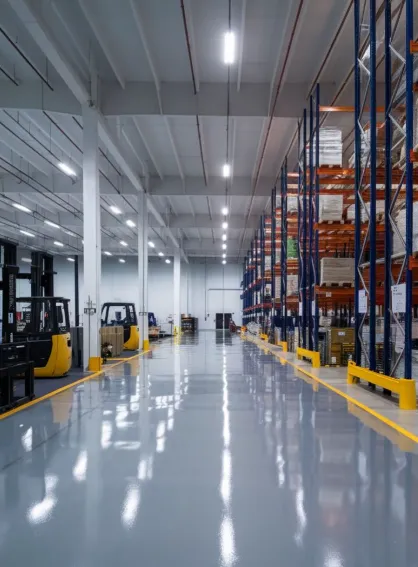
Commercial floors face hard use every day. Staff walk across them, carts roll over them, and heavy tools may fall without warning. A weak floor can crack, stain, or become slick. The right floor helps prevent these issues. commercial epoxy flooring offers a strong surface for busy spaces.
Floor choice also affects daily work. A clean, firm floor helps staff move with care and keeps rooms neat. It can also cut repair needs over time. The best option depends on foot traffic, work tasks, moisture, and the type of goods stored in each area.
Floors Built For Daily Demands
A busy work site needs a floor that can take daily wear. Shoes, carts, tools, and stock can all leave marks. A strong surface helps limit chips and cracks. It also gives teams a stable base for work, even when the room stays busy from dawn to dusk.
The right floor can also help cut upkeep. Dust and dirt are easier to clear from a smooth, sealed surface. Staff can spot spills and clean them fast. This keeps the space neat and helps stop small messes from turning into bigger floor care issues over time.
Safer Surfaces For Busy Teams
Slips and falls can cause pain, lost work time, and high costs. Floor choice plays a part in risk control. A good finish can offer grip where staff need it most. It should also suit the work, since wet zones and dry rooms face very different risks.
Good care matters just as much as the floor itself. Staff should clean spills at once and use the right products for each surface. Floor signs can warn people when an area is wet. These small steps help keep walkways clear and reduce risks during busy work hours.
Coatings That Protect Concrete Floors
Concrete is firm, but it can still wear down. Oil, water, harsh cleaners, and heavy loads may harm its top layer. A sound epoxy floor coating forms a sealed layer over the base. This can help guard the floor from stains, wear, and daily spills.
The floor must be ready before any coat goes on. Dust, oil, and loose bits can stop it from bonding well. A trained team will check the base, fix flaws, and prep the area. Good prep helps the coat last and gives the floor a neat, even look.
Clean Floors Support Better Work
Clean floors do more than make a room look good. They help staff spot dirt, spills, and loose items that may cause harm. A sealed floor has fewer open pores for grime to enter. This can make routine cleaning less hard and help keep work areas in good shape.
Each site needs its own care plan. A food prep room may need strict wash steps, while a stock room may need care for dust and tire marks. The cleaning team should follow the maker’s care guide. Harsh tools or strong chemicals may harm some floor finishes.
Choosing The Right Floor Type
No single floor works well in every space. A shop, plant, clinic, and storage unit all face unique needs. Think about load, heat, water, foot traffic, and the use of each room. These facts help narrow the choice and prevent costly errors during floor work.
Ask the floor team to explain the options in plain terms. Learn how each finish handles wear, spills, and care. Also ask how long the site must stay closed during the work. A clear plan helps staff prepare and keeps delays from affecting daily tasks.
Conclusion
A strong floor helps protect staff, tools, stock, and the building itself. It can also make cleaning easier and reduce the need for repeat repairs. The key is to match the floor to the work done in each room. Good prep, skilled fitting, and steady care all matter.
Khays Services offers flooring options for commercial and other spaces. Visit khaysservices.com to learn more and review the services on offer. Before work starts, discuss the site needs, floor state, and daily use with a flooring expert. A clear plan can help create a safe, neat floor that stands up to daily use.